
Facing an under 21 DUI in Fairview Village, PA, can be overwhelming for both the young person accused and their family. Even a small amount of alcohol can lead to arrest, license suspension, and a criminal record that could affect college, employment, and future opportunities. A Fairview Village under 21 DUI lawyer can help.
The legal process moves quickly, and the penalties can be significant—even for a first offense. Understanding your rights, the charges you face, and the options available is the first step toward protecting your future. Reach out to the Fairview Village criminal defense attorney at McKenzie Law Firm, P.C., today. Initial consultations are free.
Pennsylvania enforces a strict “zero tolerance” standard for drivers under the age of 21. Under 75 Pa. C.S.A. § 3802(e), it is illegal for anyone under 21 to operate a motor vehicle with a blood alcohol content (BAC) of 0.02% or higher within two hours of driving. This limit is much lower than the 0.08% standard applied to drivers aged 21 and older, meaning even a small amount of alcohol can trigger a DUI charge.
The law applies whether you are driving or in “actual physical control” of the vehicle. “Actual physical control” can include situations where the car is parked but the driver has the keys in the ignition or is otherwise in a position to operate the vehicle. Police and prosecutors often rely on circumstantial evidence, such as the location of the car, the driver’s position, and engine status, to prove control.
Importantly, the statute also measures BAC within two hours of driving. This means you could be tested at a police station or hospital after being pulled over, and the results can still be used as evidence if they show a BAC at or above 0.02%. In some cases, the prosecution may try to use retrograde extrapolation to estimate BAC at the time of driving, which can be a point of contention in defense strategies.
An under 21 DUI in Pennsylvania is prosecuted under the same DUI statute as adult cases but follows a special penalty structure outlined in 75 Pa. C.S.A. § 3804(b). Even for a first offense, the consequences can be far more serious than many expect, impacting not just driving privileges, but also education, employment, and insurance rates.
For those aged 18–20 convicted under the under 21 provision, the penalties typically include:
The penalties escalate significantly:
If you receive a suspension notice from PennDOT, you have a short window (usually 30 days) to file an appeal in the county Court of Common Pleas. Missing this deadline can mean serving the full suspension with no recourse, even if your criminal case is later reduced or dismissed.
Pennsylvania’s legislature designed these penalties to deter young drivers from drinking and driving, recognizing both the higher crash risk for this age group and the lower BAC threshold for impairment. In Montgomery County, which includes Fairview Village, judges tend to enforce these minimums strictly, especially if the case involves aggravating factors, such as an accident, injuries, or a refusal to submit to testing.
When the person accused of an under 21 DUI is under 18, the case typically proceeds through Pennsylvania’s juvenile court system rather than adult criminal court. While the core DUI law is the same, the juvenile process has a different focus and set of procedures.
Parents or guardians are notified immediately after an arrest and are required to be involved throughout the proceedings. They may also be asked to participate in family counseling or educational programs.
Under Pennsylvania’s Implied Consent Law (75 Pa. C.S.A. § 1547), if you refuse a breath, blood, or urine test when lawfully requested by an officer:
An under 21 DUI in Pennsylvania often doesn’t come alone. Many young drivers also face separate “underage” alcohol charges that can add penalties, fines, and even more licensing consequences. Understanding these related offenses is critical because they can stack with DUI penalties, increasing the overall impact of a case.
This law makes it illegal for anyone under 21 to purchase, consume, possess, or knowingly transport alcohol. A conviction carries:
These fines are in addition to any DUI fines and court costs. While this is a criminal summary offense (less severe than a misdemeanor), it still creates a permanent public record unless later expunged.
Police often issue both an underage drinking citation and a DUI charge when the driver is under 21. The reasoning is straightforward: the DUI addresses driving under the influence, while § 6308 addresses alcohol possession or consumption itself. That means even if the DUI charge is dismissed or reduced, the underage drinking charge could remain, and vice versa.
For many young drivers in Fairview Village and across Pennsylvania, a first-time under 21 DUI doesn’t have to mean a permanent criminal record. One of the most important alternatives to a traditional conviction is the Accelerated Rehabilitative Disposition (ARD) program, authorized under 75 Pa. C.S.A. § 3807.
ARD is a pretrial diversion program designed for certain first-time offenders. Instead of going through a full trial and risking a conviction, the defendant agrees to complete a set of court-supervised requirements. Upon successful completion, the charges are dismissed, and the individual becomes eligible to petition for expungement—meaning the arrest and case record can be removed from public view.
In the next section, we’ll explain how prosecutors prove an under 21 DUI and the types of evidence they rely on—information that’s key to building an effective defense.
In Pennsylvania, prosecutors must prove every element of an under 21 DUI beyond a reasonable doubt. For charges under 75 Pa. C.S.A. § 3802(e), that means establishing that the defendant:
Even if the BAC test happens well after the traffic stop, such as at the station or hospital, prosecutors can use the reading if it’s taken within two hours of driving. If it’s taken later, they must present additional evidence to connect the BAC back to the time of driving.
Because the BAC limit for minor drivers is only 0.02%, it doesn’t take much for the prosecution to meet the threshold. That’s why defense strategies often focus on how the stop was conducted, accuracy of testing procedures, and whether the driver was truly in “actual physical control” at the time.
In the next section, we’ll go into common defenses and legal strategies that may be used to challenge an under 21 DUI charge.
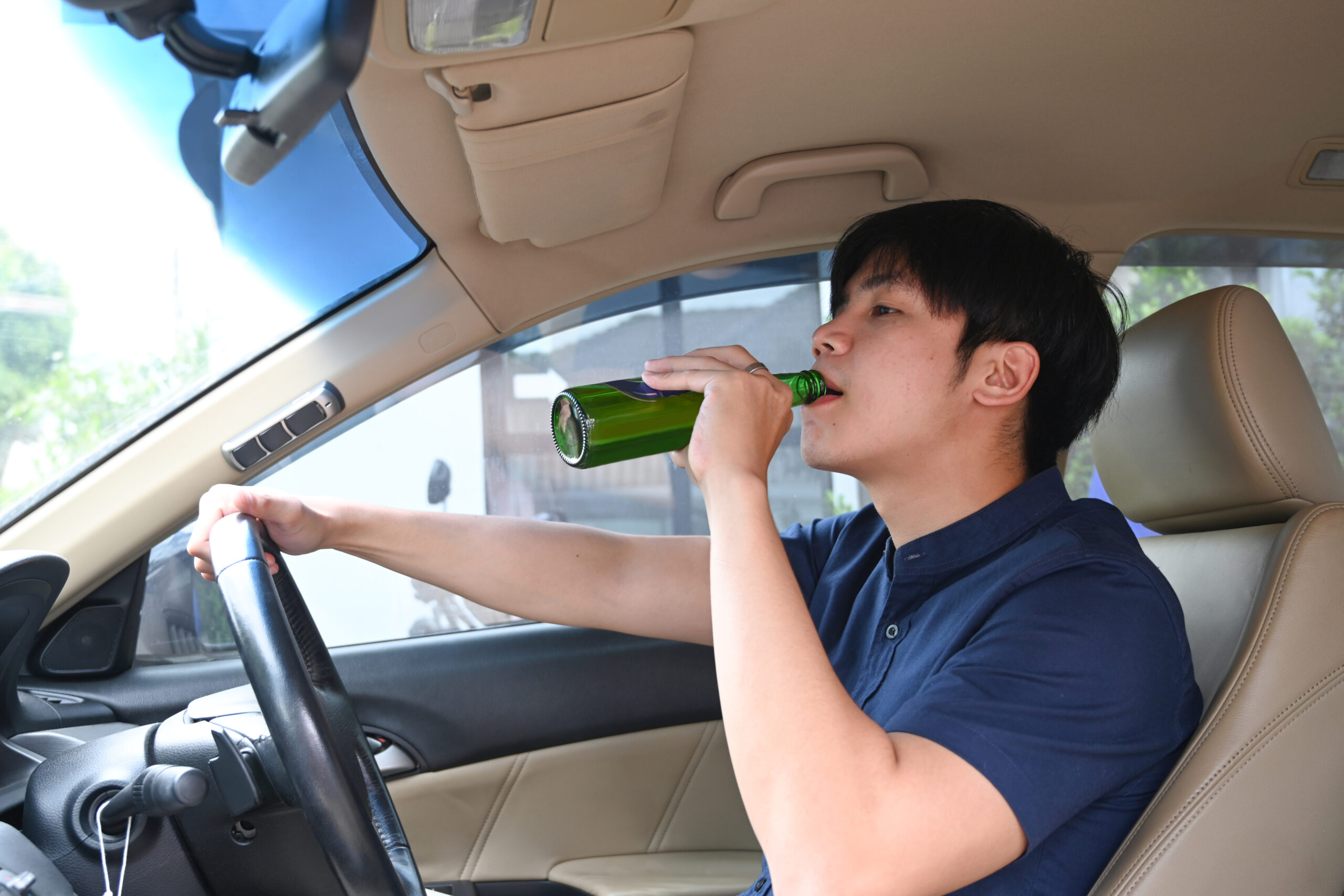
Even though Pennsylvania’s under 21 DUI law has a very low BAC threshold, there are still many ways to challenge the prosecution’s case. The right defense depends on the facts, but every case deserves a careful, thorough review to identify weaknesses in the evidence.
Police must have a valid reason, known as reasonable suspicion, to initiate a traffic stop. If the stop was made without a lawful basis, any evidence gathered afterward (including BAC test results) could be suppressed.
If the driver was parked, sleeping, or waiting for a ride, the prosecution may still argue they were in “actual physical control” of the vehicle. Defense strategies here focus on the position of the vehicle, key location, and whether the engine was running to show there was no intent or immediate ability to drive.
Certain medical conditions, diets, or even recent use of mouthwash can produce a BAC reading near or above 0.02%. In borderline cases, expert testimony can be used to challenge whether the reading truly reflects alcohol impairment.
In some cases, the best option may be negotiating for:
When you’re facing an under 21 DUI in Fairview Village, the lawyer you choose can make all the difference. At McKenzie Law Firm, P.C., we combine insider knowledge of Pennsylvania’s criminal justice system with a client-first approach that puts your needs and your future at the center of our work. Call now to find out how we can help you.
Founded in 2010 by David McKenzie, a former criminal prosecutor, our firm knows exactly how DUI cases are built and how to take them apart. We put that insider knowledge to work for you, anticipating the prosecution’s tactics and preparing strong, tailored defenses.
From your first hearing to the final resolution, we represent you in and out of court. Our goal is clear:
We believe that being informed and confident is part of a strong defense. That’s why we:
Attorney David McKenzie is highly accessible to his clients via phone, text, email, and even social media—but please note, this level of direct access begins after you hire us as your legal team. Once you’re a client, you’ll always be able to reach your lawyer.
We operate with no surprise legal fees—no matter how long your case lasts. You’ll know exactly what to expect from the start.
Our dedication to clients has earned us a 10/10 AVVO rating and a track record of satisfied clients throughout Montgomery County and beyond. You can read client testimonials on our site.
When your license, freedom, and future are at stake, trust the team that blends courtroom experience with personal commitment. McKenzie Law Firm, P.C., is ready to stand in your corner.
If you or your child is accused of an under 21 DUI in Fairview Village, every step you take matters. Acting quickly and wisely can make a real difference in the outcome of your case.
Taking these steps early can help preserve your options.
An under 21 DUI charge in Fairview Village can change the course of your life, but it doesn’t have to. The sooner you act, the more options you may have to protect your license, your record, and your freedom.
At McKenzie Law Firm, P.C., we know how much is at stake for young drivers and their families. We explain your legal options clearly, fight to minimize the consequences, and guide you through every step of the process.
Contact us today for a free and confidential consultation.