
What Happens If You Violate Probation in Pennsylvania?
Probation gives you an opportunity to remain in the community under court-ordered conditions. That freedom comes with responsibilities. A missed appointment, failed drug test, or new criminal charge can create serious problems. The consequences depend on the type of violation and your case history. So, what happens after a probation violation Pennsylvania case begins? The court does not revoke probation simply because someone was accused of violating a condition.
Pennsylvania law provides procedures for addressing alleged violations. A judge must make a finding before revoking probation. The court may consider the nature of the violation, your record, and other relevant circumstances. This guide explains what can happen after an alleged violation and why prompt legal advice can matter.
What Counts as a Probation Violation in Pennsylvania?
Probation conditions depend on the terms set by the court. Your sentencing order explains what you must do during probation. A violation can occur when you fail to follow one of those conditions. Common examples include missing meetings with your probation officer, failing a required drug test, or missing appointments. Other violations may involve leaving an approved area without permission or failing to complete required treatment or community service.
Failing to pay certain court-ordered amounts can also create problems. Possessing prohibited substances or weapons may violate your conditions. Committing a new offense can create additional legal consequences. The court does not treat every violation the same way. Pennsylvania rules also distinguish technical violations from new criminal charges.
What Happens After an Alleged Violation?
The next step depends on the circumstances. A supervising authority may provide written notice of an alleged technical violation. In certain circumstances, it may seek detention or a hearing. The court may then address whether a violation occurred. The process can involve a revocation hearing before the sentencing judge.
Pennsylvania Rule of Criminal Procedure 708 requires a hearing before probation can be revoked. The defendant must be present and represented by counsel. This means an allegation alone does not automatically revoke probation.
Can You Be Arrested for a Probation Violation?
Yes, detention can occur in some situations. Pennsylvania rules provide different procedures for technical violations and new criminal charges. A supervising authority may use a detainer when certain conditions exist. The circumstances matter when deciding whether detention is appropriate.
An arrest or detainer does not itself prove that a violation occurred. The court still must address the alleged violation under the applicable procedure. If you are detained, contact a criminal defense lawyer as soon as possible. Avoid discussing the underlying facts with investigators before getting legal advice.
What Is a Probation Violation Hearing?
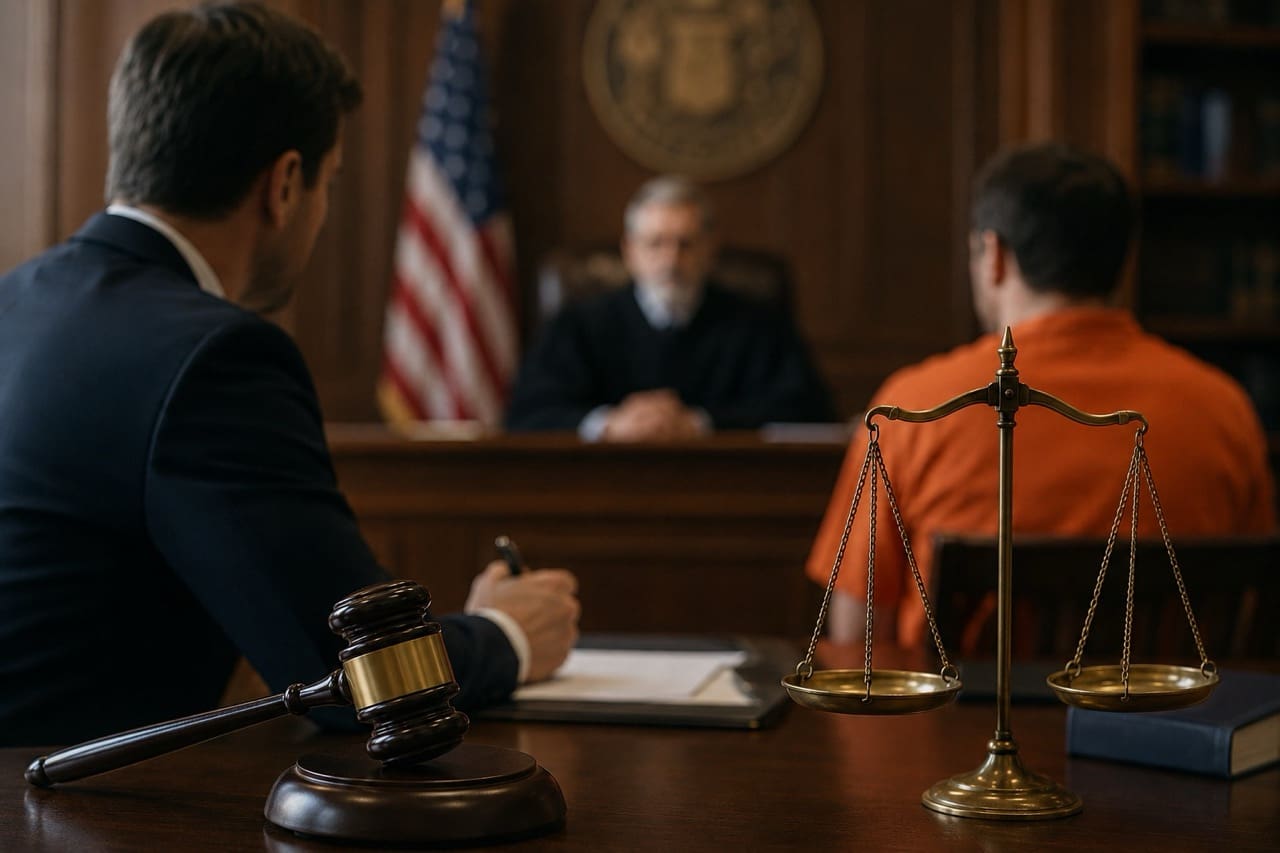
A probation violation hearing allows the court to determine whether a violation occurred. Pennsylvania Rule of Criminal Procedure 708 requires a hearing before revocation. The defendant has a right to be present and represented by counsel. The hearing can focus on the alleged violation and the circumstances surrounding it. Your attorney can review the allegations and prepare a response. The defense may also challenge evidence when the law permits. The court may then decide whether probation should continue or whether another sentence is appropriate.
What Happens If the Court Finds a Violation?
A finding of a violation does not mean every defendant receives the same consequence. The court considers the circumstances of the case before deciding what happens next. The judge may consider the type of violation and your prior record.
Depending on the case, the court may allow probation to continue under existing conditions. The court may also modify conditions or impose another lawful sentence. Pennsylvania law places limits on sentencing after probation violations. The exact consequences depend on the original sentence and the violation involved. That makes case-specific legal advice important.
What Is a Technical Probation Violation?
A technical probation violation occurs when someone breaks a condition of probation without necessarily committing a new criminal offense. These violations can involve missed appointments, failed tests, travel restrictions, or incomplete requirements. The specific conditions depend on the sentencing order and the circumstances of the case. Pennsylvania law provides procedures for handling alleged technical violations. The court may consider the nature of the violation and related safety concerns. Common examples of technical probation violations include:
- Missing a required probation appointment
- Failing a drug test
- Violating a travel restriction
- Failing to complete a required program
- Breaking another condition listed in the sentencing order
Pennsylvania Rule of Criminal Procedure 708.1 provides specific procedures for alleged technical violations. The supervising authority may provide notice, seek a detainer, or take another authorized step. The response can depend on the circumstances and potential risk involved.
What If You Are Charged With a New Crime?
A new criminal charge can create separate problems. The new charge and the alleged probation violation are different legal matters. The probation court may address the alleged violation even while the new criminal case remains pending. Pennsylvania’s rules allow the court to proceed with a revocation hearing without waiting for disposition of new criminal charges.
You should avoid assuming that winning the new criminal case automatically resolves the probation issue. The two proceedings can involve different questions and procedures. If you face both matters, speak with a lawyer about how they may affect each other.
Can You Fight a Probation Violation?
Yes, you can challenge an alleged probation violation in Pennsylvania. A violation does not automatically mean the court will revoke your probation. The facts, probation conditions, and available evidence can affect how the court handles the matter. Your defense should address the specific allegation against you. An attorney can review your case, identify possible defenses, and explain circumstances that may support your position during the probation violation process.
Your Attorney Can Review the Allegation
Your attorney can review the specific probation condition you allegedly violated. They can examine your sentencing order, probation records, notices, and other available documents. This review can help identify what the court actually required you to do. It can also show whether the allegation matches the conditions of your probation. Understanding the exact allegation is an important first step when preparing your defense.
Your Attorney Can Challenge the Violation
Your attorney can challenge an allegation that is inaccurate, incomplete, or unsupported by the available evidence. They can review reports and other records related to the alleged violation. If the evidence does not support the allegation, your attorney can present the appropriate arguments during the hearing. The defense will depend on the specific facts and circumstances of your probation case.
Your Attorney Can Explain the Circumstances
Some alleged violations may have circumstances that provide important context. For example, you may have missed an appointment because of an emergency or misunderstanding. Your attorney can explain those circumstances and provide relevant information to the court. The judge may consider the facts surrounding the alleged violation when deciding how to proceed. Providing clear context can help the court evaluate what actually happened.
What Should You Do After a Probation Violation?
A probation violation can create serious concerns about your case and your future. Ignoring a notice or missing another required appearance can make the situation more difficult. Take the allegation seriously and review what the court or probation officer requires. Acting promptly can help you avoid additional problems and prepare for the next step. Consider taking these practical steps after receiving notice of an alleged violation:
- Read the notice carefully.
- Identify the condition you allegedly violated.
- Keep copies of related documents.
- Follow current court orders unless your lawyer advises otherwise.
- Contact a criminal defense attorney promptly.
- Avoid discussing the case on social media.
- Do not assume the violation will resolve itself.
Early legal advice can help you understand the process and prepare for the next step.
Can a Lawyer Help With a Probation Violation?
A lawyer can help you understand the allegation and the available legal options. McKenzie Law Firm, P.C. handles criminal defense matters across Pennsylvania. The firm’s practice includes criminal defense, DUI defense, drug crimes, traffic crimes, and other criminal matters. An attorney can review your sentencing order and the alleged violation. They can also prepare for a revocation hearing when appropriate. McKenzie Law Firm is led by Attorney David C. McKenzie III. He previously worked as a prosecutor before moving into private criminal defense practice. That background can provide useful insight into how prosecutors approach criminal cases.
Can a Probation Violation Lead to Jail?
It can, depending on the circumstances and applicable sentencing law. A probation violation does not automatically result in incarceration. The court must follow the applicable procedures before revoking probation. The potential consequences depend on factors such as the original sentence, the type of violation, and your criminal history. For that reason, avoid assuming that a minor violation will have no consequences. The safest approach is to understand the allegation and obtain legal advice promptly.
What If You Missed a Probation Appointment?
Contact your probation officer or lawyer promptly. Do not ignore the missed appointment. Your sentencing order may contain specific reporting requirements. Your attorney can help you understand what happened and what steps may be appropriate. If you had a valid reason for missing the appointment, keep documents that support your explanation. Medical records, work records, or other relevant documents may help establish the circumstances. The response will depend on the terms of your probation and the reason for the missed appointment.
Get Legal Guidance Before a Probation Problem Gets Worse
A probation violation Pennsylvania case can create new legal concerns after you have already completed part of your sentence. However, an allegation does not automatically mean probation will be revoked. Pennsylvania law provides procedures for addressing alleged violations. A hearing may be required before the court revokes probation.
If you received notice of a violation, face a detainer, or have been accused of breaking probation conditions, consider speaking with a criminal defense attorney. McKenzie Law Firm, P.C. offers criminal defense representation across Pennsylvania. The firm provides consultations for people facing criminal allegations and related court proceedings.
Contact Us Today:
Phone Number: (610) 756-1303
Email Address: info@davidmckenzielawfirm.com
Office Hours: Mon-Fri: 8 AM – 5:30 PM, Sat-Sun: 9 AM – 12 PM
Blue Bell Office:
McKenzie Law Firm, P.C.
325 Sentry Pkwy, Building 5 West, Suite 200
Blue Bell, PA 19422
Exton Office:
600 Eagleview Blvd, Suite 300
Exton, PA 19341
King Of Prussia Office:
630 Freedom Business Center, 3rd Floor
King Of Prussia, PA, 19406