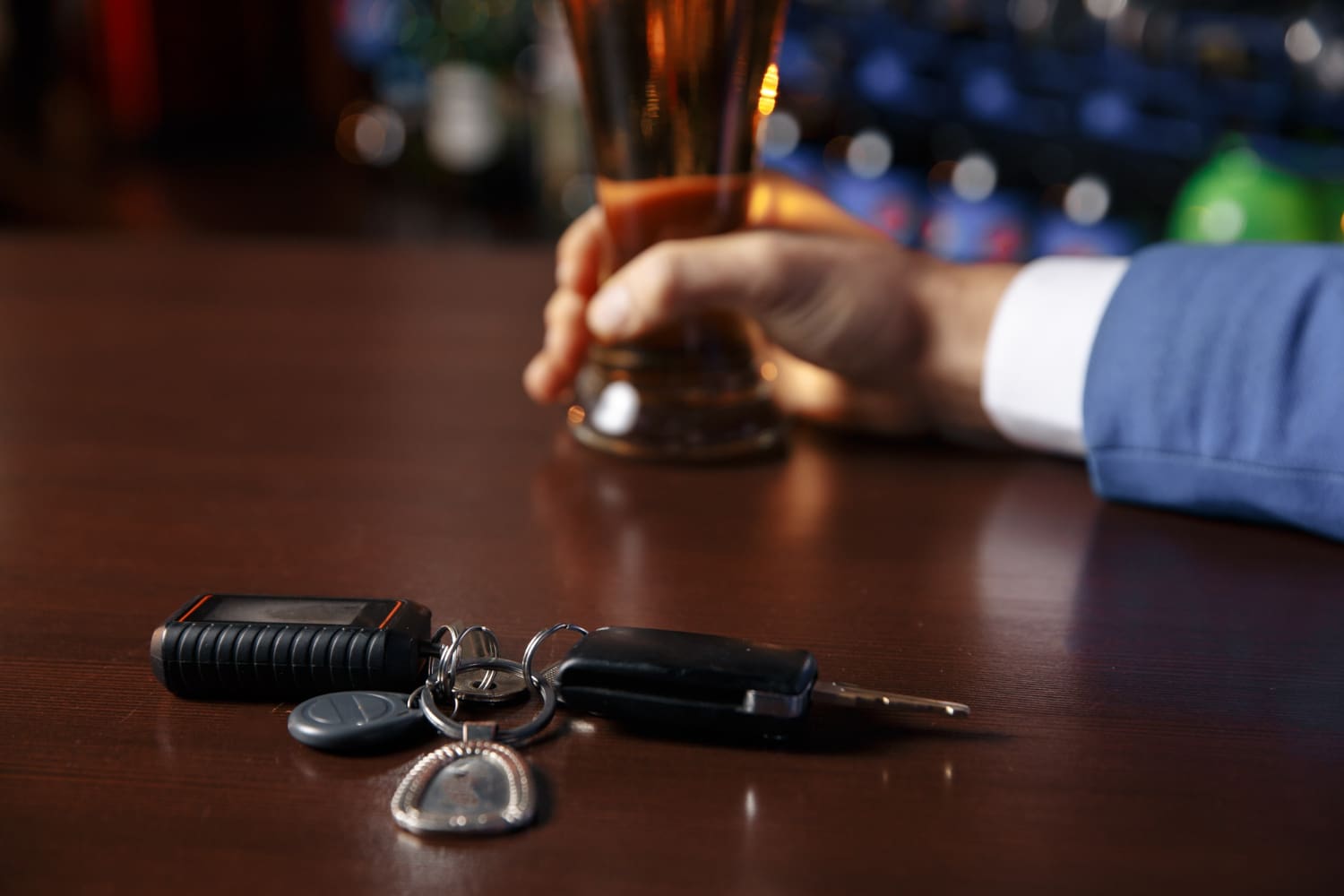
A DUI conviction in Pennsylvania may lead to jail time, fines, license suspension, and other serious consequences. Pennsylvania law, DUI penalties vary depending on factors, such as prior offenses, alleged blood alcohol content (BAC), refusal allegations, and whether controlled substances were allegedly involved.
Pennsylvania uses a tiered DUI penalty system, meaning some offenses carry significantly harsher consequences than others. In addition to criminal penalties imposed by the court, many drivers also face separate license-related consequences through the Pennsylvania Department of Transportation (PennDOT).
In the article below, our criminal defense attorney explains the unique penalties people face when facing DUI charges.
Pennsylvania Uses Different DUI Penalty Tiers
Pennsylvania separates DUI offenses into different tiers under 75 Pa. C.S.A. § 3802. In most cases, penalties become more severe as the alleged level of impairment increases or when a driver has prior DUI convictions.
The main DUI categories include:
- General impairment: .08% to under .10% BAC
- High rate of alcohol: .10% to under .16% BAC
- Highest rate of alcohol: .16% BAC and higher
- Controlled substance: Use of illegal drugs, prescription medications, or combinations of drugs and alcohol
Although 75 Pa. C.S.A. § 3802 separates the highest rate offenses and controlled substance offenses into different categories, 75 Pa. C.S.A. § 3804 generally groups them together for sentencing purposes.
Penalties for General Impairment DUI Under 75 Pa. C.S.A. § 3804
General impairment offenses typically carry the least severe DUI penalties. However, penalties may increase significantly for repeat offenses.
The first offense for general impairment carries the following penalties:
- Up to six months probation
- Up to a $300 fine
- Alcohol Highway Safety School
- Possible treatment requirements
- No license suspension in many cases
Second offense general impairment carries:
- Five days to six months in jail
- $300 to $2,500 fine
- 12-month license suspension
- Alcohol Highway Safety School
- Possible treatment requirements
Third offense general impairment carries:
- 10 days to two years in jail
- $500 to $5,000 fine
- 12-month license suspension
- Alcohol Highway Safety School
- Possible treatment requirements
High Rate Penalties Under 75 Pa. C.S.A. § 3804
A BAC that meets the standards of high rate carries harsher penalties, which for a first offense includes:
- 48 hours to six months in jail
- $500 to $5,000 fine
- 12-month license suspension
- Alcohol Highway Safety School
- Possible treatment requirements
A second offense for high rate includes:
- 30 days to six months in jail
- $750 to $5,000 fine
- 12-month license suspension
- Alcohol Highway Safety School
- Possible treatment requirements
The third offense for the high rate tier is:
- 90 days to five years in jail
- $1,500 to $10,000 fine
- 18-month license suspension
- Alcohol Highway Safety School
- Possible treatment requirements
Highest Rate and Controlled Substance Penalties Under 75 Pa. C.S.A. § 3804
75 Pa. C.S.A. § 3804 generally applies the same penalties to both highest rate offenses and controlled substance offenses. First offense for the highest rate of alcohol or a controlled substance offense includes the following:
- 72 hours to six months in jail
- $1,000 to $5,000 fine
- 12-month license suspension
- Alcohol Highway Safety School
- Possible treatment requirements
At the second offense, penalties may include:
- 90 days to five years in jail
- $1,500 to $10,000 fine
- 18-month license suspension
- Alcohol Highway Safety School
- Possible treatment requirements
With the third offense, people may face:
- One to five years in jail
- $2,500 to $10,000 fine
- 18-month license suspension
- Alcohol Highway Safety School
- Possible treatment requirements
The penalties above are general sentencing guidelines. Actual penalties may vary.
Why DUI Penalties Can Vary From Case to Case
No two DUI cases are exactly alike. Although 75 Pa. C.S.A. § 3804 establishes sentencing ranges and mandatory minimum penalties, the specific consequences may still depend on the facts of the case. Depending on the circumstances, Pennsylvania DUI offenses may be charged as ungraded misdemeanors, misdemeanors, or felonies.
Factors that may affect DUI penalties include:
- Prior DUI convictions
- Alleged blood alcohol content
- Controlled substance allegations
- Refusal allegations
- Accidents or injuries
- Whether minors were allegedly present in the vehicle
In some situations, eligible first-time offenders may qualify for Accelerated Rehabilitative Disposition (ARD), which can affect both criminal penalties and license-related consequences.
Because DUI penalties can escalate quickly, it is important for drivers to understand the full range of potential criminal and license-related consequences involved in their cases.
Criminal DUI Penalties and PennDOT Penalties Are Separate
One of the most confusing aspects of Pennsylvania DUI cases is the difference between criminal penalties and PennDOT administrative consequences.
The criminal court handles such issues as jail sentences, probation, fines, and treatment conditions. PennDOT separately handles license suspensions, ignition interlock requirements, and restoration of driving privileges.
As a result, resolving the criminal case does not restore a driver’s license automatically. A person may complete the court portion of the case while still dealing with ongoing PennDOT requirements.
License Suspension Penalties Under 75 Pa. C.S.A. § 3804
Suspension lengths often depend on the driver’s alleged impairment level, prior DUI history, and whether a chemical test refusal was allegedly involved. These suspensions can create serious practical difficulties for drivers who rely on their vehicles for work, school, childcare responsibilities, or medical appointments.
Chemical Test Refusal Suspensions
Drivers accused of refusing chemical testing may also face separate suspension consequences under 75 Pa. C.S.A. § 1547. In some situations, refusal-related suspensions may apply even before the criminal case is fully resolved.
Refusal allegations may result in additional license consequences separate from the criminal DUI case, making these situations especially complicated for many drivers.
Limited Driving Privileges During a Suspension
A DUI-related suspension does not always prevent a person from driving entirely. Depending on the circumstances, some drivers may qualify for limited driving privileges during a suspension period.
- Ignition Interlock Limited License (IILL): An IILL allows eligible drivers to continue driving with an ignition interlock device installed on their vehicle, which requires a breath sample before the vehicle will start.
- Occupational Limited License (OLL): An OLL, sometimes called a “bread and butter” license, may allow eligible drivers to drive for limited purposes while their license is suspended. These licenses are commonly used for work, school, or medical-related travel.
Eligibility may depend on the type of offense, prior record, and whether the driver allegedly refused chemical testing.
Restoring Driving Privileges After a DUI Suspension
Restoring driving privileges after a DUI-related suspension can involve several separate steps. Depending on the circumstances, drivers may need to complete the suspension period, pay restoration fees, complete treatment or education programs, and comply with ignition interlock requirements.
The restoration process may also vary depending on whether the driver allegedly refused chemical testing or has prior DUI-related suspensions.
Because PennDOT requirements can become complicated, many drivers are uncertain about when they are legally permitted to drive again after a DUI suspension ends.
Speak With McKenzie Law Firm, P.C. About Pennsylvania DUI Charges
A DUI conviction may affect a person’s freedom, finances, driving privileges, and future opportunities. Understanding the difference between criminal penalties and PennDOT consequences is often critical when evaluating a DUI case in Pennsylvania.
McKenzie Law Firm, P.C. represents individuals facing DUI allegations throughout southeastern Pennsylvania and helps clients understand their legal options, potential penalties, and license-related concerns. Call us today and learn more about your legal options.