
Pennsylvania White Collar Crime Charges: What You Need to Know Before It’s Too Late
Imagine getting a call saying you are under investigation for financial misconduct. You did not use violence. You did not hurt anyone physically. But the charges are serious. White collar crime in Pennsylvania covers non-violent offenses involving money, deception, or fraud. These charges can lead to prison time, heavy fines, and a damaged reputation. Many people do not realize how serious these cases can get. Understanding the top types of white collar crimes can help you protect your rights.
If you are trying to understand how these charges work and what penalties you may face, this guide breaks it down clearly:
What Is Considered White Collar Crime in Pennsylvania?
White collar crime refers to non-violent offenses committed for financial gain. These crimes typically involve deception, manipulation, or abuse of trust. They can happen in workplaces, financial institutions, or online.
Pennsylvania handles these cases under both state and federal law. That means the stakes are often very high. Even first-time offenders can face serious legal consequences.
Common Characteristics of White Collar Crimes
- Financial gain or intent: The offender acts to gain money or financial benefits
- Deception or misrepresentation: The crime involves lying, hiding information, or misleading others
- Business or professional settings: These crimes often occur in workplaces, banks, or corporate environments
White collar crimes cause real financial harm to victims and businesses. They damage institutions that many people depend on. Prosecutors in Pennsylvania treat these cases aggressively. They dedicate resources and time to build strong cases. Courts take these offenses seriously because of the wide impact they can have on communities and the economy.
Top 3 Types of White Collar Crime in Pennsylvania
Not every financial crime looks the same. Some involve deception at a bank. Others happen quietly inside a trusted workplace. A few begin with a stolen name and a fake account. Pennsylvania prosecutors handle all of these cases seriously. Knowing the most common types can help you understand what you may be facing.
Here are the top three types of white collar crime charged in Pennsylvania:
1. Fraud (Bank Fraud, Insurance Fraud, Wire Fraud)
Fraud means deliberately deceiving someone for financial gain. In Pennsylvania, common examples include submitting false insurance claims, lying on loan applications, or using electronic communication to steal money. Bank fraud and wire fraud can also lead to federal charges. Prosecutors file these cases by gathering financial records, communications, and transaction histories. A conviction can result in years in prison.
2. Embezzlement
Embezzlement happens when someone misuses money or assets entrusted to them. A bookkeeper who transfers company funds into a personal account is one example. A manager who skims cash from daily receipts is another. This crime commonly occurs in healthcare, finance, retail, and nonprofit sectors. Even small amounts can lead to criminal charges. Pennsylvania courts treat embezzlement as a serious breach of trust.
3. Identity Theft
Identity theft involves using another person’s personal information without their consent. Criminals may open credit cards, take out loans, or file false tax returns using stolen identities. Online data breaches and phishing scams have made this crime more common. Pennsylvania has seen a sharp rise in digital identity theft cases. Charges can be filed at both the state and federal level depending on the scope.
Penalties for White Collar Crime in Pennsylvania
A white collar crime conviction can change your entire life. The consequences go far beyond a courtroom. They follow you home, into your workplace, and through your personal relationships. Pennsylvania courts impose serious penalties for financial crimes. Understanding what you may face can help you make smarter decisions early.
Here is what the penalties for white collar crime in Pennsylvania can look like:
Criminal Penalties You May Face
White collar crime convictions often carry significant jail or prison sentences. Felony charges can result in years behind bars depending on the amount of money involved. Many defendants also face probation after release, which comes with strict conditions. A criminal record follows you permanently. It can affect housing, employment, and personal relationships long after you serve your sentence.
Financial Consequences
Courts often order convicted individuals to pay heavy fines. Restitution requires you to repay the victims for their financial losses. Asset forfeiture allows the government to seize property or money tied to the crime. These financial consequences can be devastating and long-lasting. Many people struggle financially for years after a white collar crime conviction even after serving their sentence.
Professional and Personal Consequences
A conviction can cost you your job immediately. Many employers conduct background checks and will not hire someone with a financial crime record. Licensed professionals such as doctors, lawyers, and financial advisors can lose their licenses permanently. Your personal reputation suffers as well. Relationships with family, colleagues, and your community can be deeply and permanently damaged by a white collar crime conviction.
How Prosecutors Build White Collar Crime Cases
Prosecutors work carefully and methodically in white collar cases. They often begin with a quiet investigation before any arrest is made. They collect financial records, bank statements, and transaction histories. They review emails, text messages, and digital communications. Witness testimony also plays a major role in building the case. Pennsylvania law enforcement handles many of these investigations. For larger or more complex cases, federal agencies like the FBI or IRS may step in. By the time charges are filed, prosecutors usually have a strong body of evidence already assembled.
Defense Strategies for White Collar Crime Charges
Every white collar crime case is different. A strong defense requires a careful review of the facts, evidence, and how the investigation was conducted. There is no one-size-fits-all approach. An experienced attorney will build a strategy tailored to your specific situation. Common defense strategies include:
- Lack of intent to commit a crime: Prosecutors must prove you knowingly committed the offense. If intent cannot be proven, charges may not hold.
- Insufficient or weak evidence: If the evidence against you is incomplete or unreliable, your attorney can challenge it in court.
- Mistaken identity: In cases involving digital crimes, the wrong person is sometimes accused. Your attorney can work to prove you were not responsible.
- Violation of constitutional rights: If law enforcement violated your rights during the investigation, that evidence may be inadmissible in court.
When Should You Contact a White Collar Crime Lawyer in Pennsylvania?
The earlier you contact a lawyer, the better your chances of protecting yourself. Many people make the mistake of speaking to investigators without legal counsel. Anything you say can be used against you. White collar crime charges carry serious penalties that can affect every area of your life. Do not wait until charges are formally filed to seek help.
Signs You Need Legal Representation Immediately:
- You are under investigation for a financial crime
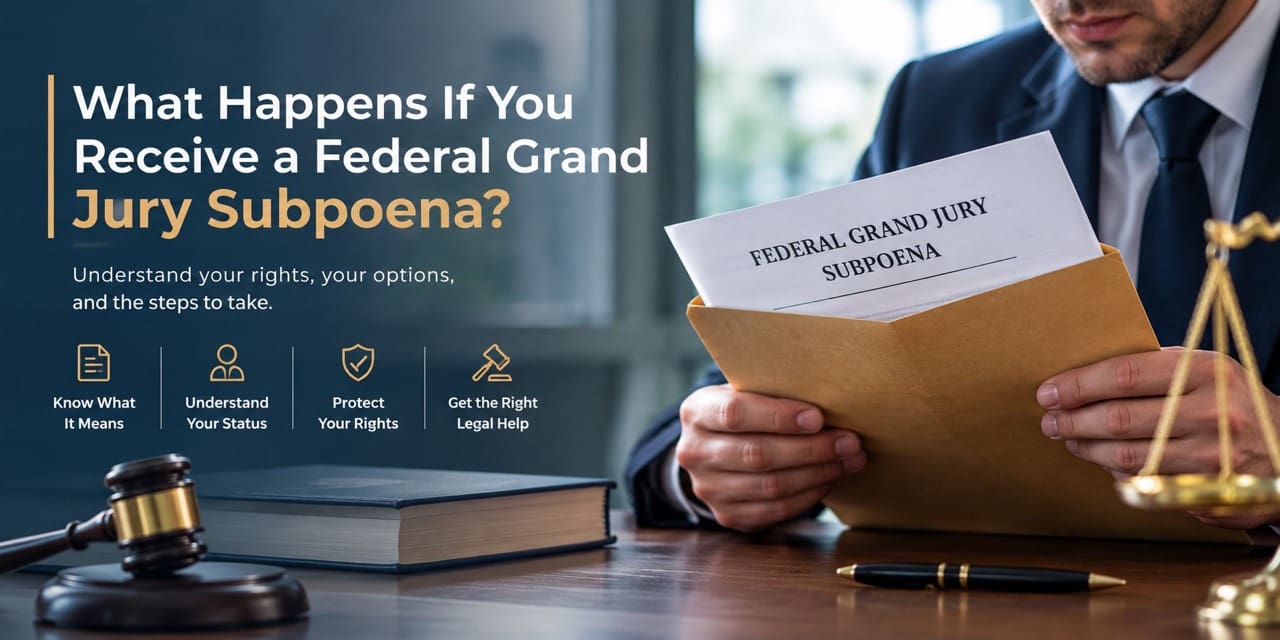
- You received a subpoena or target letter from prosecutors
- Law enforcement has contacted you or visited your home or workplace
- Your employer has accused you of financial misconduct or theft
Why Choose McKenzie Law Firm, P.C. for White Collar Crime Defense
Attorney David McKenzie is a former prosecutor. He knows exactly how the other side builds its cases. He now uses that knowledge to defend people just like you.
The McKenzie Law Firm, P.C. has built a strong reputation across Pennsylvania. Clients have left over 800 five-star reviews praising the firm’s results and commitment. The firm holds an AVVO rating of 10.0 Superb. Every client receives a personalized defense strategy built around their unique situation. You are not just a case number here. You are a person whose future matters.
Do Not Let White Collar Crime Charges Define Your Future
White collar crime charges in Pennsylvania are serious. They can affect your freedom, finances, career, and reputation all at once. The sooner you act, the more options you will have.
If you are facing allegations or believe you are under investigation, speaking with an experienced defense attorney can help you understand your options and next steps.
Contact Us Today:
Phone Number: (610) 756-1303
Email Address: info@davidmckenzielawfirm.com
Office Hours: Mon-Fri: 8 AM – 5:30 PM, Sat-Sun: 9 AM – 12 PM
Blue Bell Office:
McKenzie Law Firm, P.C.
325 Sentry Pkwy, Building 5 West, Suite 200
Blue Bell, PA 19422
Exton Office:
600 Eagleview Blvd, Suite 300
Exton, PA 19341
King Of Prussia Office:
630 Freedom Business Center, 3rd Floor
King Of Prussia, PA, 19406