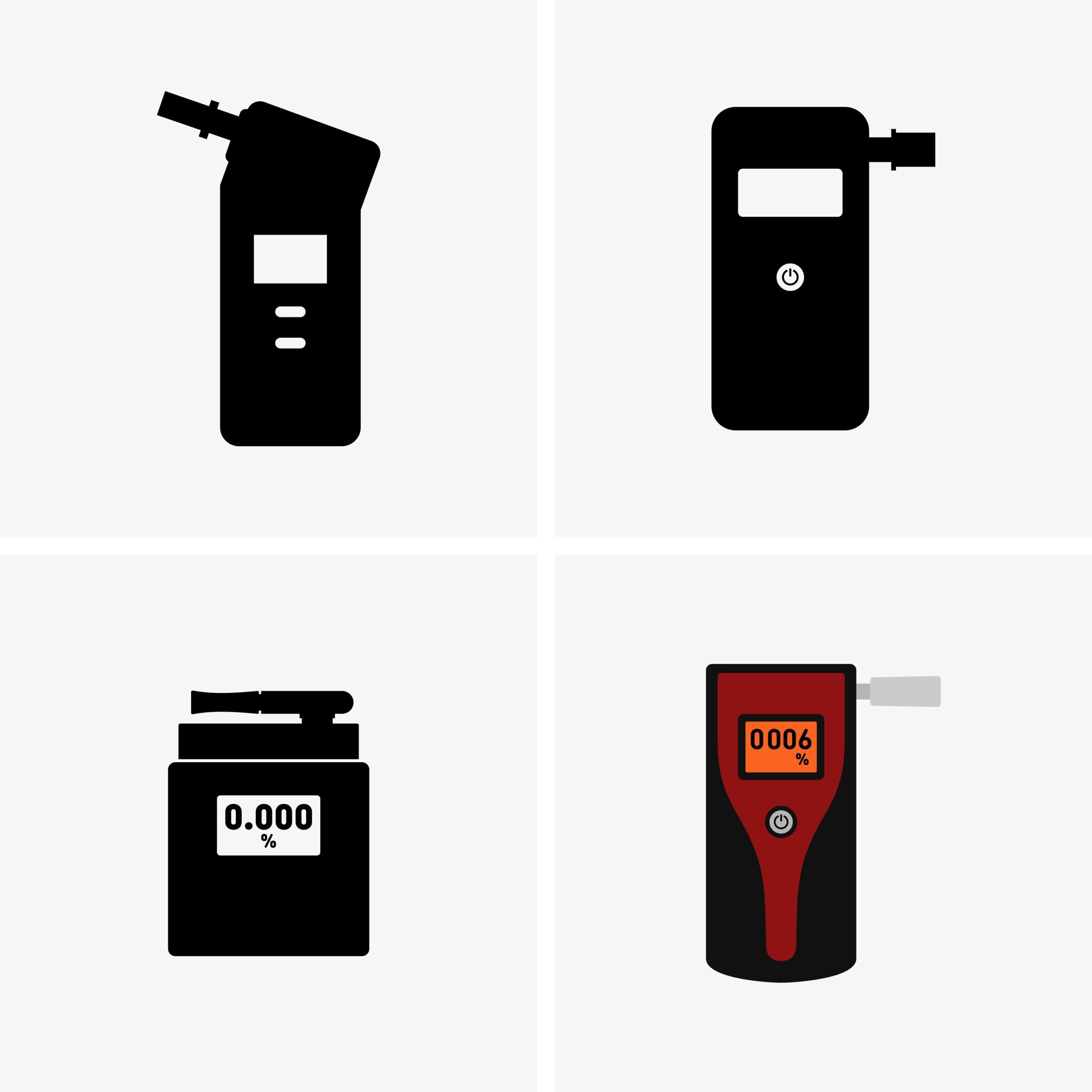
Although some people call them “breathalyzers,” the correct term is ignition interlock device (IID). If you are required to use an IID as a part of restoring your driving privileges after a driving under the influence (DUI) conviction, you need to know the proper way to request having it installed in your car in Pennsylvania.
In this article, our DUI lawyer explains the purpose of an ignition interlock device, how to request one, and how to have one installed on your car.
What Is an Ignition Interlock Device?
Under 75 Pa. C.S.A. § 3805, certain drivers convicted of DUI may be required to install an ignition interlock device (IID) before they can regain driving privileges. This process is intended to reduce impaired driving while allowing eligible individuals to continue driving legally.
As it sounds, the ignition interlock device is connected to your car’s ignition. It is a breath-testing system that will prevent your vehicle from starting until you blow into it and does not detect alcohol in your breath. Also, you will have to blow into the device periodically while operating the vehicle to validate that you are still sober.
It must be installed and maintained by a PennDOT-approved provider and remain in the vehicle for the period required by Pennsylvania law.
Maintaining Your Ignition Interlock Device
Drivers are responsible for scheduling the installation and any required maintenance appointments with an approved IID provider. Keeping the device in proper working order is an important part of complying with Pennsylvania’s ignition interlock requirements throughout the restricted license period.
Who Pays for an Ignition Interlock Device?
In Pennsylvania, the driver is generally responsible for the costs associated with an ignition interlock device. This includes installation, required maintenance and monitoring, and removal of the device once the ignition interlock period ends. Because fees vary by provider, you should discuss the costs and payment schedule before scheduling your installation.
What Happens If the Device Detects Alcohol?
If the ignition interlock device detects alcohol or you fail to provide a required breath sample, it will record the event. Depending on the circumstances, the violation may be reported as part of Pennsylvania’s ignition interlock program. To avoid potential complications, follow all program requirements and never attempt to operate a vehicle after consuming alcohol.
Obtaining an Ignition Interlock Device
About a month before you are eligible for restoration, the Pennsylvania Department of Transportation (PennDOT) will mail you a letter that lists all the requirements for you to restore your driver’s license. This restoration requirements letter will contain information on how to request an ignition interlock device be installed in your car in PA from an IID vendor.
Once you select a vendor, the process generally includes the following steps:
- Have an IID installed in the required vehicle or vehicles.
- The vendor certifies the installation to PennDOT.
- Complete all remaining restoration requirements.
- Apply for an ignition interlock limited license.
- Receive your ignition interlock license from PennDOT after satisfying the restoration requirements.
Following each step carefully can help prevent unnecessary delays in restoring your driving privileges and ensure you remain in compliance with Pennsylvania’s ignition interlock requirements.
It is also a good idea to keep copies of your PennDOT correspondence and any documentation you receive from your IID provider. Having these records readily available can help you confirm that each restoration requirement has been completed if questions arise during the process.
What to Do If You Do Not Own Any Vehicles
You must submit a completed Pennsylvania DL-21SC form, also known as the Self-Certification of Vehicle(s) Owned/Operated, to PennDOT. If you do not have any vehicles, you should indicate that fact on the form.
You will have to take the completed form to an IID vendor, who will check the PennDOT vehicle database to ensure that you have no vehicles. The vendor will send the DL-21SC form to PennDOT. The vendor is allowed to charge a fee for this service.
Even if you do not own any vehicles, you will have to get an ignition interlock license. This restricted license will be effective until you complete your restoration requirements.
Once you satisfy all restoration requirements and complete the required ignition interlock period, you may become eligible to apply for an unrestricted Pennsylvania driver’s license. Until then, you must continue to follow the conditions of your ignition interlock license whenever you drive.
Which Vehicles Must Have IIDs
While you have an ignition interlock limited license, you are generally restricted to driving vehicles equipped with the device. Under Pennsylvania law, any motor vehicle you operate must have an IID installed unless an exception applies.
Vehicles Covered by the Requirement
The ignition interlock requirement generally applies to any vehicle you operate. This includes vehicles you own, lease, rent, or borrow. If you plan to drive a household member’s vehicle or a friend’s vehicle while your ignition interlock restriction is in effect, that vehicle will generally need an approved IID installed before you can legally operate it.
Are There Any Exceptions?
Pennsylvania law provides limited exceptions to the general rule. For example, you may be eligible for an employment exemption that allows you to operate certain employer-owned vehicles without an IID while performing your job duties. Some drivers may also qualify for an economic hardship exemption that permits installation of an IID on only one vehicle. Because these exceptions have specific eligibility requirements, you should not assume one applies to your situation.
Can Other People Drive a Vehicle With an IID?
Yes. Other licensed drivers may operate a vehicle equipped with an IID. However, they must also provide the required breath samples before starting the vehicle and during operation. If you have questions about whether a particular vehicle must have an IID installed, our defense lawyer can review your PennDOT restoration requirements.
When an IID May Be Required
An ignition interlock device is not typically required for a first DUI offense. However, Pennsylvania law may require you to install an IID if you have a prior DUI offense within the last 10 years or if you are sentenced for two or more DUI offenses on the same day. These things can count as prior offenses:
- An adjudication of delinquency
- A juvenile consent decree
- Acceptance of Accelerated Rehabilitative Disposition (ARD)
The facts of your situation will determine whether you get ordered to use an IID.
Ignition Interlock Limited Licenses
If you are required to install an ignition interlock device, you will have to apply for an ignition interlock limited license to use as your driver’s license for the duration of the IID requirement. You will have to submit a form, pay an interlock license fee, and pay a restoration fee.
The ignition interlock license has a red banner with the words “Limited License” and “Ignition Interlock.” The purpose of these differences is to make it easy for police officers to see that your license has an IID restriction.
You must carry this restricted license whenever driving. You are not allowed to operate any motor vehicle without a functioning IID until you receive an unrestricted driver’s license at the end of your IID time.
Can You Drive Out of State With an Ignition Interlock License?
An ignition interlock limited license issued by Pennsylvania allows eligible drivers to operate vehicles equipped with an approved IID. However, if you plan to drive outside Pennsylvania, you should remember that other states have their own laws regarding restricted licenses and ignition interlock requirements.
Before traveling, it is a good idea to verify that you are complying with both Pennsylvania’s requirements and the laws of the state you plan to visit. This can help you avoid unexpected legal issues while driving with an ignition interlock license.
How a Criminal Defense Lawyer Can Help
Getting a DUI conviction can have severe consequences on your life, both now and for many years in the future. Once you receive a DUI conviction, some of the adverse impacts are irreversible.
However, a criminal defense attorney can review the facts of your case, explain your legal options, and work to protect your rights throughout the legal process. Depending on the circumstances, legal representation may help you:
Understand how a DUI conviction could affect your driving privileges
- Challenge the evidence against you
- Seek reduced charges or penalties when appropriate
- Protect your driving privileges whenever possible
- Minimize the long-term consequences of a DUI conviction
- Navigate the ignition interlock and license restoration process
Our criminal defense lawyer can try to build a defense strategy for you to get a more favorable outcome. We work hard to help our clients avoid penalties that can stand in the way of getting into their desired college and having the career of their dreams.
Call McKenzie Law Firm, P.C. For Answers About Installing an IID
Having to use an ignition interlock device can create embarrassment and social stigma. Your family could suffer, as well. Let McKenzie Law Firm, P.C. help you try to avoid a DUI conviction.
If you need help understanding how to request an ignition interlock device (breathalyzer) installed in your car in PA, or help fighting a DUI conviction, call us today for a consultation with a member of our team.