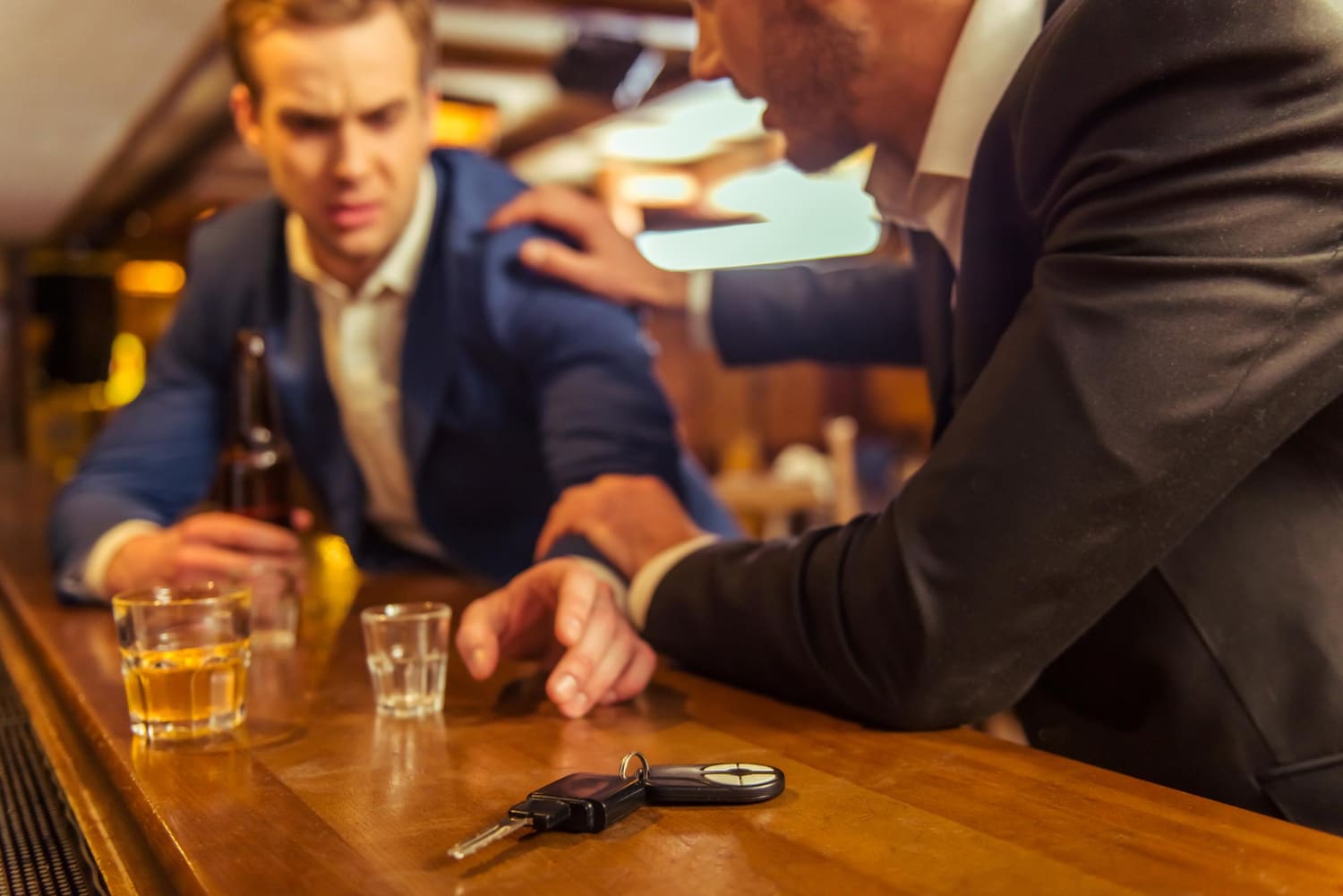
Your legal rights at a DUI traffic stop in Pennsylvania include the right to remain silent and refuse a field sobriety test. A law enforcement officer also cannot force you to take a breathalyzer test. If you refuse, however, you are breaking the law, and you could end up with an additional criminal charge, fine, and other consequences.
People often mistakenly think that they can get out of a DUI conviction by not cooperating with the breathalyzer test, but that assumption is incorrect. The best way to protect your rights is by speaking with a Montgomery County DUI lawyer as soon as possible.
Do Police Need a Legal Reason to Pull You Over for DUI?
A police officer cannot legally pull you over for a DUI traffic stop without a valid reason. Under Pennsylvania law, law enforcement must have reasonable suspicion that a traffic violation or criminal activity has occurred before initiating a stop.
Reasonable suspicion may be based on things like speeding, failing to signal, swerving between lanes, or equipment violations (e.g., a broken taillight). An officer does not need hard proof that you were impaired at the time of the stop, but they cannot pull you over on a hunch.
You generally have the right to politely ask why you were stopped, although officers are not required to provide a detailed explanation at the scene. If a stop was made without legal justification, that issue may later become a key part of your defense. An unlawful traffic stop can affect whether evidence gathered afterward is admissible in court.
What You Do — and Do Not — Have to Say During a DUI Stop
During a DUI traffic stop, you are required to provide basic identifying information, including your driver’s license, registration, and proof of insurance. Beyond that, you have the constitutional right to remain silent.
You are not legally required to answer questions such as:
- “Have you been drinking?”
- “How many drinks did you have?”
- “Where are you coming from tonight?”
Many DUI cases are strengthened by statements drivers make while trying to be polite or cooperative. Even casual comments can be misunderstood or taken out of context and later used as evidence.
You may calmly state that you choose to remain silent or that you would prefer not to answer questions. Exercising this right cannot be used as proof of guilt. Protecting yourself from self-incrimination is one of the most important rights you have during a DUI traffic stop.
Can You Refuse Field Sobriety Tests in Pennsylvania?
Unlike chemical testing, field sobriety tests are voluntary in Pennsylvania. These tests often include walking heel-to-toe, standing on one leg, or following an object with your eyes. While officers may strongly encourage you to participate, you are not legally required to do so.
Refusing field sobriety tests does not result in an automatic license suspension. These tests are highly subjective and can be affected by factors unrelated to alcohol, including fatigue, medical conditions, anxiety, uneven pavement, poor lighting, or weather conditions.
Officers are trained to look for clues that support impairment, not to clear drivers of suspicion. Politely declining field sobriety testing may limit the amount of evidence collected against you, even though the officer may still decide to make an arrest based on other observations.
Can Police Search Your Car During a DUI Traffic Stop?
You have the right to be free from unreasonable searches and seizures. In most situations, police need either your consent, probable cause, or a valid warrant to search your vehicle.
You are allowed to say no if an officer asks for permission to search your car. Declining consent is not an admission of guilt and should not be viewed as uncooperative behavior. In some cases, officers may still conduct a search if they believe probable cause exists, such as if they see an open container or smell alcohol.
If a search is conducted improperly, the legality of that search can be challenged later. Evidence obtained through an unlawful search may be suppressed, which can significantly weaken the prosecution’s case.
Do You Have to Get Out of the Car During a DUI Stop?
If an officer orders you to step out of your vehicle during a lawful traffic stop, you are generally required to comply. Being asked to exit the vehicle does not automatically mean you are under arrest.
However, stepping out of the car does not waive your other rights. You still retain the right to remain silent and the right to decline field sobriety testing. Officers often use this moment to observe balance, coordination, and speech patterns, which is why it is important to remain calm and respectful.
Understanding the difference between lawful commands and voluntary requests can help you avoid unintentionally giving up important legal protections.
Refusing a Breathalyzer Test in Pennsylvania
The officer will not use physical force to make you take the test. You can refuse to take a breathalyzer test at a DUI traffic stop in Pennsylvania, but it will cost you. Our state has an implied consent law, which means that you already gave your consent to take a breathalyzer when you got behind the wheel.
If you refuse to comply, the state will suspend your driver’s license, even if you were sober at the time.

Penalties for Refusing to Take a Breathalyzer Test
Refusing to take a breathalyzer is breaking the law, regardless of your blood alcohol content, because refusal violates the implied consent law. Here are the consequences you could face for breathalyzer test refusal:
- First offense: driver’s license suspension of 12 months and a fine of up to $500.
- Second offense: driver’s license suspension of 18 months and a fine of up to $1,000.
- Third offense: driver’s license suspension of 18 months and up to $2,000 in fines.
You cannot get your driver’s license reinstated after the suspension until you pay the fine.
Violating the implied consent law can be expensive, and it can give you a criminal record. Sometimes, people who were not impaired by alcohol refuse to take the breathalyzer “on principle” because they feel that it is a violation of their rights. Unfortunately, taking such a stand is a losing proposition, and you should think very carefully about the possible fallout should you decide to do so.
Refusing a Breathalyzer Does Not Help You Avoid a DUI Conviction
You can still get a DUI conviction without taking a breathalyzer test. In fact, you can get two convictions: one for the DUI and another for the crime of violating the implied consent law. Each conviction can come with fines and other penalties.
When Does Your Right to a Lawyer Begin After a DUI Stop?
You do not have the right to have a lawyer present during roadside questioning or testing. However, once you are placed under arrest, you have the right to stop answering questions and request an attorney.
If you ask to speak with a lawyer, police questioning should end. Continuing to answer questions after an arrest can create additional evidence that may be difficult to fight back against later.
The decisions you make in the hours and days following a DUI arrest can have long-term consequences. Speaking with an experienced DUI attorney as soon as possible allows you to understand your options, protect your driving privileges, and begin building a defense strategy early.
Consequences of a DUI
A DUI conviction can damage your educational path and career for the rest of your life. You might not be able to get into the college of your choice with a DUI on your record. Having a criminal record could knock you out of the running for many great jobs, even many years down the road.
Your auto insurance premiums will skyrocket if you get a DUI conviction. Your legal fees will be substantial. You might have to pay fines and court costs.
How We Can Help if You Got Pulled Over for a DUI Traffic Stop in Pennsylvania
Even if you already refused a breathalyzer, we can request a hearing to challenge your driver’s license suspension. We can help you get ready and represent you at the suspension hearing.
We can represent you for both the implied consent charges and the DUI case. Our legal team can negotiate with the prosecutor to try to resolve the charges in a way that minimizes the negative consequences to your livelihood, your family, and your future.
Charged With a DUI? Call Our Pennsylvania Attorney
We know that you want a responsive law firm when you are facing the possibility of such severe consequences. We are very accessible to clients. Once you come on board as a client, you can always reach someone when you need answers.
Call McKenzie Law Firm, P.C., today to get started protecting your future.