What Is the Cinderella Rule in Pennsylvania?
Many people in Pennsylvania hear the phrase “Cinderella Rule” after concerns about age-gap relationships, underage dating, or criminal accusations involving minors. However, confusion about what the law actually means can quickly lead to serious misunderstandings.
In some situations, individuals may face allegations involving corruption of minors or other criminal offenses without fully understanding how Pennsylvania law applies. The consequences of these charges are serious and long-lasting. Getting accurate legal information early is essential to protecting yourself or someone you care about.
This guide explains what the Cinderella Rule in Pennsylvania is, how it relates to age of consent laws, and when criminal charges may still arise under state law.
What Is the Cinderella Rule in Pennsylvania?
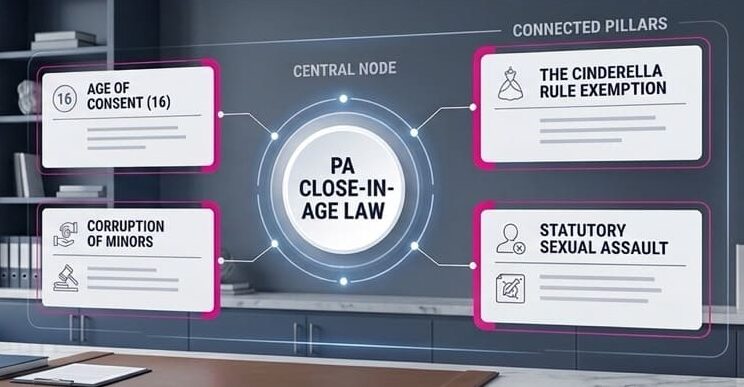
The Cinderella Rule in Pennsylvania refers to a close-in-age exemption that applies to the state’s age of consent laws. Pennsylvania’s age of consent is 16 years old. However, the law recognizes that relationships between teenagers close in age are treated differently than those involving adults and minors. The “Cinderella Rule” is an informal term people use to describe this exemption.
It is important to understand that this rule does not make all underage relationships legal or free from legal risk. The law is commonly misunderstood, and many people assume broader protection exists than what the statute actually provides. Specific conditions must be met, and certain conduct can still lead to serious criminal charges even when ages are close.
What Is the Age of Consent in Pennsylvania?
Pennsylvania’s age of consent laws are more detailed than most people realize. Knowing the specifics matters greatly, especially when criminal allegations are involved. Here is how the law breaks down:
The Legal Age of Consent in Pennsylvania
Pennsylvania sets the age of consent at 16 years old. This means individuals aged 16 and older can generally consent to sexual activity under state law. Anyone under the age of 16 cannot legally consent, regardless of the circumstances. Violations of this standard can result in serious criminal charges depending on the ages involved and the nature of the conduct.
How Close-in-Age Exceptions Work
Pennsylvania law provides some protection for teens close in age to each other. The exemption generally applies when both individuals are between the ages of 13 and 15 and the age difference between them is four years or less. This exception is narrow and applies only to specific situations. It does not extend to adults and does not cover all types of conduct between minors.
Situations That May Still Lead to Criminal Charges
Even when ages are close, certain conduct can still trigger criminal charges in Pennsylvania. Sexual activity involving someone under 13 carries no exemption under any circumstances. Charges may also arise when one party holds a position of authority over the other. Prior criminal history and digital communications can also factor into how a case is investigated and prosecuted.
Why Context Matters in Pennsylvania Criminal Cases
Pennsylvania prosecutors evaluate the full circumstances of every case before filing charges. The relationship between the individuals, how they communicated, the nature of the conduct, and any evidence of coercion all play a role. Even situations that appear straightforward can become complicated when investigators look more closely at the details. Context shapes the outcome of these cases significantly.
When Can Criminal Charges Still Happen?
Understanding the Cinderella Rule does not mean assuming you are protected from legal consequences. Charges can still be filed in a number of situations. Here is when criminal exposure remains a real possibility:
Corruption of Minors Charges
Pennsylvania law makes it a crime to corrupt the morals of a minor. This charge can be filed even when no sexual conduct occurred. Exposing a minor to inappropriate material, encouraging harmful behavior, or engaging in conduct that undermines a minor’s moral wellbeing can all lead to prosecution under this statute. These charges can carry serious penalties even for first-time offenders.
Statutory Sexual Assault Allegations
Statutory sexual assault charges in Pennsylvania apply when a person engages in sexual conduct with someone under 16. Importantly, the close-in-age exemption does not apply if the age difference exceeds the legal threshold. A person aged 18 or older who engages in sexual conduct with a 15-year-old can face statutory sexual assault charges regardless of perceived consent between the parties.
Online Communication and Solicitation Concerns
Digital communications are increasingly at the center of criminal investigations involving minors. Sending explicit messages, images, or soliciting sexual conduct online can lead to serious charges even when no in-person contact occurred. Pennsylvania law and federal statutes both address online solicitation of minors. Investigators regularly review text messages, social media activity, and app communications as part of these cases.
Situations Involving Authority or Coercion
When one person holds a position of authority over a minor, such as a teacher, coach, or employer, the age of consent laws apply differently. Pennsylvania law does not permit consent from a minor in these relationships regardless of age. Any sexual conduct in these circumstances can lead to criminal charges. Coercion or manipulation of any kind removes any legal protection the close-in-age exemption might otherwise provide.
Common Misunderstandings About the Cinderella Rule
Many people assume the Cinderella Rule offers broader legal protection than it actually does. Those assumptions can lead to serious legal consequences. Before drawing any conclusions about your situation, here is what you need to understand:
- The Cinderella Rule is not a blanket protection that applies to all age-gap relationships in Pennsylvania
- Age gaps still matter and can determine whether the exemption applies or whether charges are possible
- Parents can still involve law enforcement even in situations that appear to involve teens close in age
- Digital evidence including text messages, photos, and social media posts can affect how investigators build a case
- Prosecutors evaluate the full circumstances of every case, not just the ages of the individuals involved
- Juvenile and adult courts handle these cases differently depending on the ages and conduct involved
What Should You Do If You Are Being Investigated?
If you believe you are under investigation for a crime involving age of consent laws, taking the right steps immediately is critical. Missteps in the early stages of an investigation can significantly damage your defense later. Here is what you should and should not do:
- Do not speak to police or investigators without an attorney present. Anything you say can and will be used against you in court.
- Do not delete text messages, social media posts, or any other digital communications. Deleting evidence can lead to additional charges and raises red flags for investigators.
- Avoid all contact with the alleged victim or accuser. Even well-intentioned outreach can be interpreted as intimidation or witness tampering.
- Seek legal representation immediately. The earlier an attorney gets involved, the more options you will have to protect your rights and your future.
- Attorney David McKenzie spent years as a prosecutor before turning to criminal defense. He understands exactly how investigators build these cases and where they tend to be vulnerable.
How a Pennsylvania Criminal Defense Lawyer Can Help
An experienced defense attorney does much more than show up to court. In cases involving age of consent allegations, legal representation from the very start can change the entire direction of a case. A skilled lawyer will carefully review all digital and physical evidence gathered by investigators, looking for inconsistencies, procedural errors, and constitutional violations. They will identify weaknesses in the prosecution’s case before trial and use those weaknesses strategically.
Throughout the process, your attorney works to protect your constitutional rights and ensure that evidence obtained improperly is challenged in court. In many cases, early legal intervention can lead to reduced charges or even a dismissal depending on the facts involved.
Do Not Let a Misunderstanding Cost You Your Future.
The Cinderella Rule in Pennsylvania is often misunderstood, and assumptions about the law can lead to serious legal consequences. If you are facing questions, allegations, or a criminal investigation involving age of consent laws, understanding your legal rights early is critical. McKenzie Law Firm, P.C. helps individuals across Pennsylvania defend against complex criminal charges with strategic, client-focused representation. Call today and take the first step toward protecting yourself.
Contact Us Today:
Phone Number: (610) 756-1303
Email Address: info@davidmckenzielawfirm.com
Office Hours: Mon-Fri: 8 AM – 5:30 PM, Sat-Sun: 9 AM – 12 PM
Blue Bell Office:
McKenzie Law Firm, P.C.
325 Sentry Pkwy, Building 5 West, Suite 200
Blue Bell, PA 19422
Exton Office:
600 Eagleview Blvd, Suite 300
Exton, PA 19341
King Of Prussia Office:
630 Freedom Business Center, 3rd Floor
King Of Prussia, PA, 19406